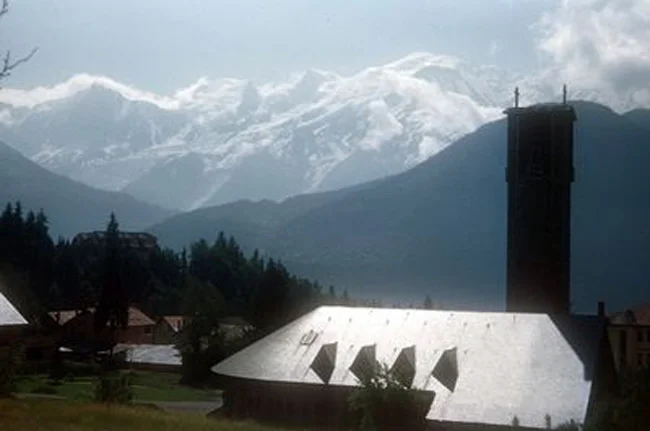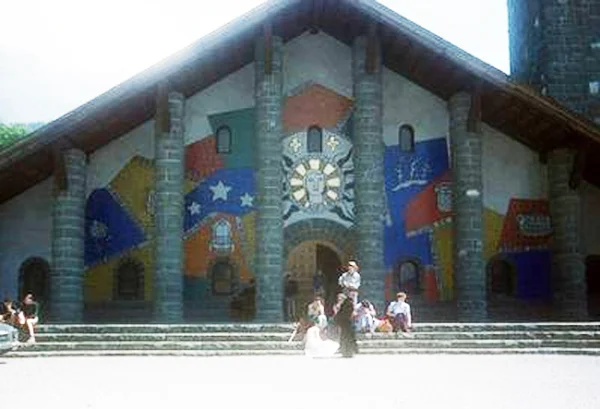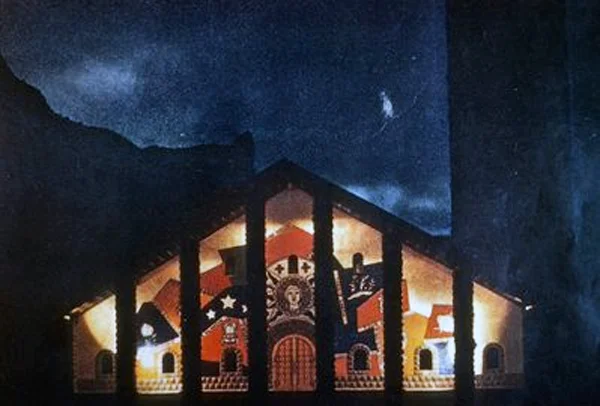
Notre Dame de Toute Grâce, located on the Plateau d’Assy in the French Alps near Mont Blanc, stands as a significant milestone in modern sacred architecture. The church was constructed between 1937 and 1946 by architects Maurice Novarina (1907–2002) and Édouard Malot.
Before World War II, the Plateau d’Assy was renowned as a spa destination, particularly attracting tuberculosis patients. In 1935, Jean Devémy, a chaplain at the Sancellemoz sanatorium, conceived the idea of building a church to serve both the sick visiting the spas and those employed there. Construction commenced in 1938 but was interrupted by the onset of World War II. Novarina and Malot designed the structure using locally-sourced materials, including Taveyannaz sandstone, slate, and wood native to the region.
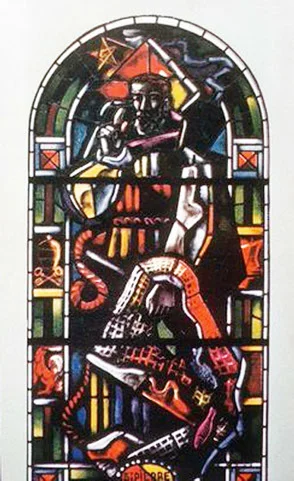
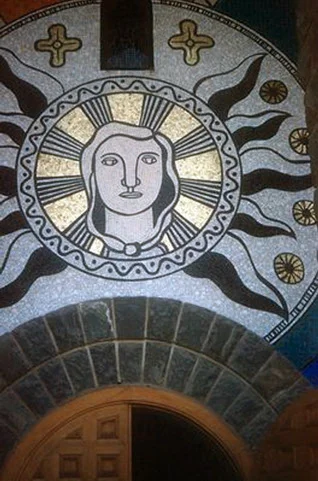
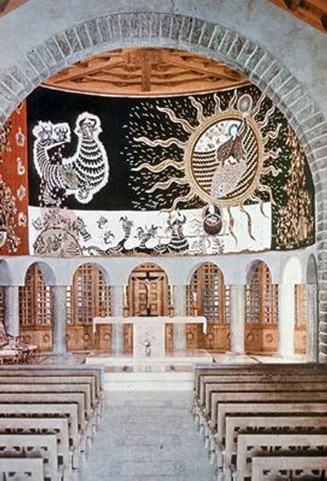
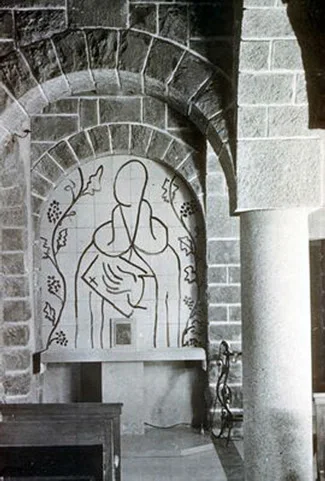
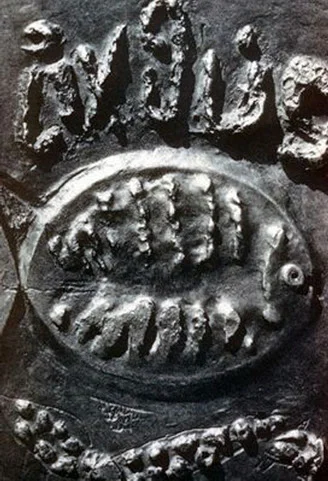
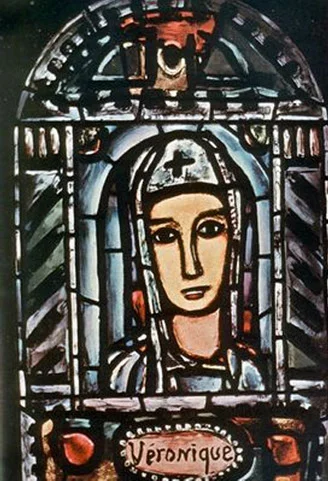
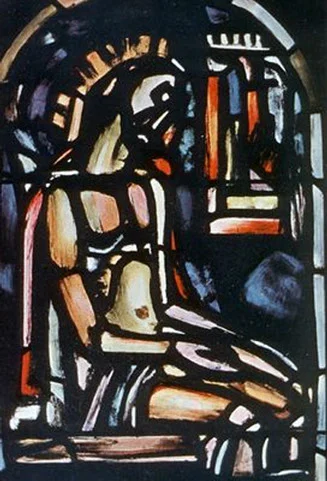
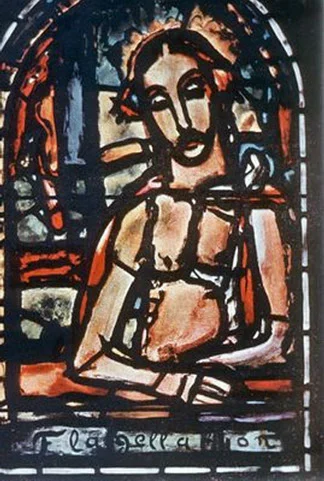
The church’s consecration in 1950 generated considerable controversy among French clergy due to the selection of secular artists for its decoration. The interior showcases contributions from renowned twentieth-century artists: Fernand Leger created both the mosaic mural of Mary’s head above the entrance and the facade mosaic “Woman Clothed with the Sun”; Jean Lurcat designed the altar tapestry featuring “Battle between life and death”; Henri Matisse contributed a tiled panel; Georges Braque created the bronze tabernacle door; and Georges Rouault designed multiple stained glass windows depicting Christ and Veronica.
On June 11, 2004, Notre-Dame de Toute Grâce du Plateau d’Assy received official designation as a monument historique de France.